
The countdown is officially over for the most anticipated cinematic event of the decade. With a staggering budget of $250 million and a star-studded cast led by Matt Damon (as Odysseus), alongside Robert Pattinson, Anne Hathaway, Tom Holland, and Zendaya, Christopher Nolan’s “The Odyssey” hits global IMAX theaters this week, on July 17, 2026.
True to his purist filmmaking philosophy, Nolan has done the unthinkable for a modern epic: he has shunned green screens and digital environments, opting instead for 100% real, raw locations captured entirely on massive IMAX 65mm cameras. To chart Odysseus’s ten-year journey home, the production embarked on a global scouting mission to find places where the ancient world still breathes.
For travelers, cultural explorers, and cinephiles alike, here is the ultimate Storytravel.org guide to the real-world locations behind Nolan’s The Odyssey, along with practical details on how you can step onto these mythical sets yourself.
1. Italy: The Volcanoes and Fortresses of the Mythic South
Nolan’s vision of the Mediterranean is dangerous, primordial, and untamed. To capture this atmosphere, the production spent weeks in southern Italy, focusing on rugged coastlines and volcanic islands.
Favignana (Aegadian Islands, Sicily)
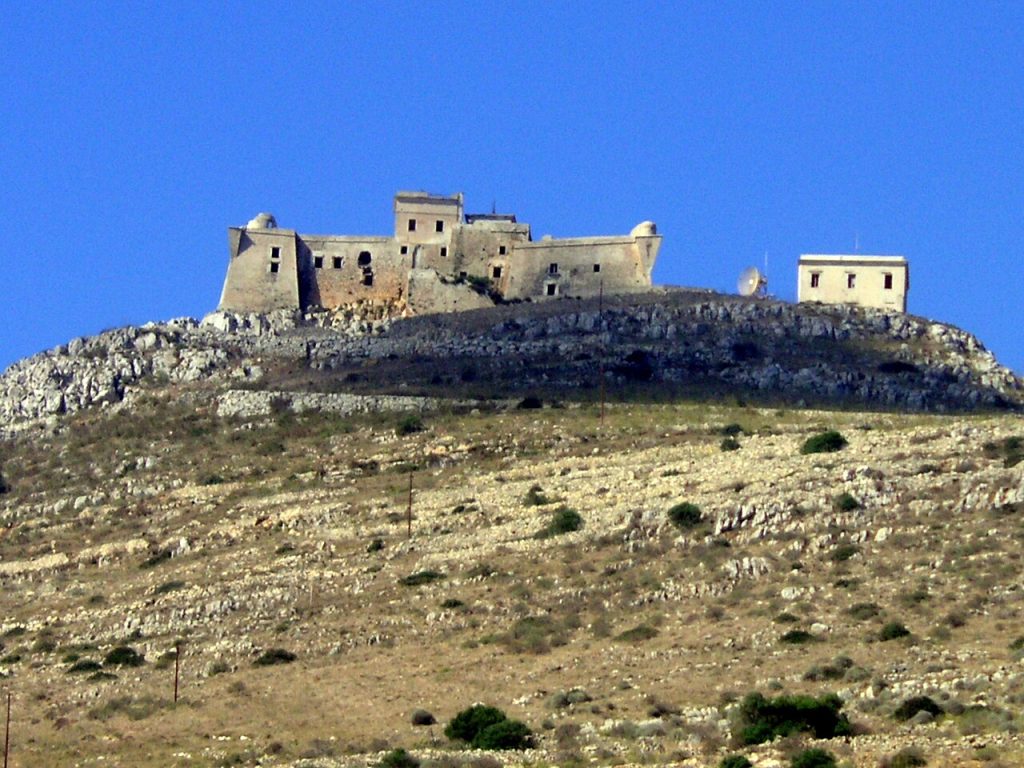
- On Screen: Used for Odysseus’s naval fleet maneuvers, dramatic shipwrecks, and tense beach landings. The island’s jagged calcarenite quarries and striking turquoise coves provided a stark, beautiful backdrop.
- The Key Landmark: Santa Caterina Castle (Castello di Santa Caterina). Perched on the highest point of the island, this historic fortress overlooks the sea and was heavily featured in the film’s clifftop sentry scenes.
- How to Visit:
- Getting There: Take a 30-minute hydrofoil (operated by Liberty Lines) from the port of Trapani in western Sicily. Trapani is easily reachable via flights to Palermo or Trapani-Birgi airport.
- Exploring the Location: The castle ruins are open to the public for free. To reach them, you must hike up a winding, terraced path from the town center. The walk takes about 45 to 60 minutes; it is best done at dawn or sunset to avoid the summer heat and capture the exact golden-hour lighting seen in Nolan’s film. Renting an e-bike or a scooter is highly recommended for exploring the rest of the island’s coastal coves.
The Aeolian Islands (Lipari & Stromboli)
- On Screen: The floating island of Aeolia, home of Aeolus, the keeper of the winds. Stromboli’s black sand beaches and smoking volcanic cone perfectly match Homer’s descriptions of a realm shaped by elemental forces.
- How to Visit:
- Getting There: Hydrofoils depart regularly from Milazzo (Sicily), Reggio Calabria, or Naples during the summer months.
- Exploring the Location: To see the dramatic volcanic coastlines used in the movie, book a sunset boat excursion around Stromboli. If you want to experience the volcanic energy firsthand, you can hike up the slopes of Stromboli with a certified volcanic guide up to the permitted safety limits.
2. Greece: The Crags and Coves of the Peloponnese
To anchor the story in authentic Mycenaean history, Nolan secured rare filming permissions at some of Greece’s most spectacularly preserved archaeological and natural sites in the Peloponnese.
Methoni Castle (Messenia)
- On Screen: Serves as the architectural anchor for the ancient Greek city-states, featuring prominently in scenes detailing the assembly of the kings and majestic watchtowers scanning the Ionian Sea.
- How to Visit:
- Getting There: Methoni is located at the southwestern tip of the Peloponnese. The easiest route is flying into Kalamata International Airport (KLX) and renting a car for a scenic 1-hour drive. Alternatively, it is a 3.5-hour drive from Athens.
- Exploring the Location: The fortress is open daily to visitors (entry tickets cost around €3–€6). Walk across the dramatic stone bridge that connects the castle to the mainland, and follow the paths all the way out to the Bourtzi, the octagonal sea tower that sits directly in the waves—a central visual motif in the movie.
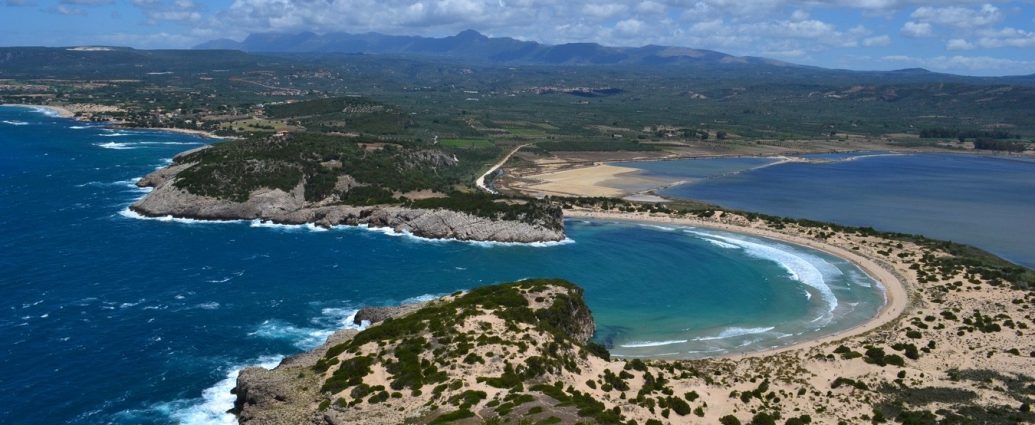
Voidokilia Beach & Nestor’s Cave
- On Screen: This legendary crescent-shaped bay, perfectly formed in the shape of the Greek letter omega ($\Omega$), serves as a primary landing site. The imposing cave overlooking the beach stands in as the cavernous lair of the Cyclops, Polyphemus.
- How to Visit:
- Getting There: Located just a 20-minute drive north of Pylos (near the luxury Costa Navarino resort area). A rental car is essential, as public transport to the beach is virtually non-existent.
- Exploring the Location: Voidokilia is a protected nature reserve, meaning there are no sunbeds, bars, or commercial structures, preserving the exact untouched look seen on the IMAX screen. To reach Nestor’s Cave, follow the marked hiking trail leading up the sand dunes on the southern edge of the beach. The climb takes about 20 minutes and requires sturdy footwear.
Acrocorinth (Corinth)
- On Screen: The high, massive stone ramparts were used to depict the monumental fortifications of Agamemnon’s kingdom.
- How to Visit:
- Getting There: Located just an hour’s drive from Athens. It makes for an easy day trip by car or organized tour.
- Exploring the Location: Admission is free. Be prepared for a steep, rocky walk through the three monumental gates of the fortress. Wear comfortable shoes, bring plenty of water, and allow at least 2 hours to explore the expansive hilltop ruins.
3. Morocco: The Fall of Troy and the Open Atlantic
For the grand scale of the Trojan War and the chaotic ocean voyages, the production moved to the cinematic hubs of North Africa.
Aït-Ben-Haddou & Ouarzazate
- On Screen: The fortified earthen clay village (ksar) of Aït-Ben-Haddou, a UNESCO World Heritage site, serves as the legendary city of Troy. The iconic opening prologue—including the breach of the city walls—was filmed right here and across the backlots of Atlas Studios in nearby Ouarzazate.
- How to Visit:
- Getting There: Located roughly 3.5 hours away from Marrakech. Travelers can rent a car or book one of the many daily guided excursions that cross the spectacular Tizi n’Tichka pass through the High Atlas Mountains.
- Exploring the Location: You can wander through the ancient, narrow alleyways of the ksar for free, though hiring a local guide at the entrance for a few euros offers incredible historical context. Walk all the way to the granary at the top of the hill for a sweeping 360-degree view of the desert valley.
Essaouira
- On Screen: The Atlantic-facing sea walls, stone bastions, and fierce coastal winds of this port city were utilized for the departure of the Greek fleet and dramatic storm sequences.
- How to Visit:
- Getting There: Essaouira has its own small airport, but it is most frequently reached via a comfortable 2.5-hour highway bus ride (via companies like CTM or Supratours) or private transfer from Marrakech.
- Exploring the Location: Visit the Scala de la Ville, the impressive seafront ramparts lined with old brass cannons where Matt Damon’s Odysseus looks out at the sea. The area is highly accessible and sits right on the edge of the pedestrian-only historic Medina.
4. Scotland & Iceland: The Realms of Magic and the Underworld
To capture the surreal, mystical elements of the poem, such as the islands of Circe and Calypso, and Odysseus’s terrifying descent into the Underworld (the Nekyia), Nolan moved away from the sun-drenched Mediterranean, utilizing the moody, ethereal climates of northern Europe.
The Moray Coast & The Highlands (Scotland)
- On Screen: The mist-shrouded, jagged cliffs and deep sea caves of the Moray Firth were used to ground the more psychological and isolated chapters of Odysseus’s journey, capturing a sense of endless wandering across unknown seas.
- How to Visit:
- Getting There: Fly into Inverness Airport, then rent a car to explore the coastal trail along the Moray Firth (stretching toward towns like Lossiemouth and Cullen), roughly a 1-hour drive east.
- Exploring the Location: The region is famous for its coastal walking trails. You can hike the Moray Coast Trail to explore Bow Fiddle Rock and the massive sea caves near Covesea, which perfectly mirror the eerie atmospheres seen in the film.
The Volcanic Deserts (Iceland)
- On Screen: The Kingdom of the Dead. Iceland’s otherworldly black ash plains, steaming geothermal vents, and stark glacial tongues provided the bleak, haunting canvas Nolan required to bring the omeric Underworld to life without digital trickery.
- How to Visit:
- Getting There: Fly into Reykjavík (Keflavík International Airport) and rent a 4×4 vehicle. Most of the stark, volcanic landscape scenes were captured along the southern coast and the highlands.
- Exploring the Location: Drive along the famous Ring Road to visit the black sand desert of Skeiðarársandur and the dramatic basalt columns of Reynisfjara beach. To safely experience the geothermal landscapes, visit organized geothermal areas like Hverir in the north or take a guided glacier hike.
The Odyssey Location Scouting Matrix
| Region / Country | Specific Location | In-Film Identity | Best Travel Base |
| Sicily, Italy | Favignana & Aeolian Islands | The open mythic seas; Kingdom of Aeolus | Trapani or Milazzo |
| Peloponnese, Greece | Methoni Castle & Voidokilia Beach | Mycenaean Palaces; The Cyclops’ Lair | Kalamata or Pylos |
| Morocco | Aït-Ben-Haddou & Essaouira | The City of Troy; Port of Departure | Marrakech |
| Scotland | Moray Coastline | Eerie, isolated islands of the outer seas | Inverness |
| Iceland | Southern Volcanic Plains | The Underworld (Nekyia) | Reykjavík |
The Odyssey is a masterclass in locations-first filmmaking. By opting for physical terrain over computer-generated imagery, Christopher Nolan hasn’t just crafted a cinematic masterpiece, he has mapped out the ultimate travel bucket list for those daring enough to follow the footsteps of the ancient world’s greatest wanderer.
Comments are closed, but trackbacks and pingbacks are open.